

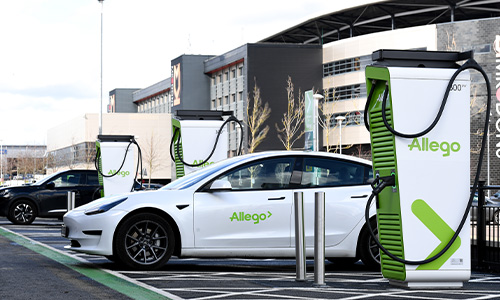
Charging an electric vehicle (EV) in rainy, snowy, or icy weather can feel intimidating—especially if you’re new to driving electric. After all, combining electricity and water sounds like a recipe for trouble. But rest assured, modern EVs and charging stations are designed with safety in mind, even in harsh weather conditions.
That said, being cautious and informed is always a smart move, especially when you’re dealing with wet cables, frozen ports, or icy parking lots. Whether it’s raining in the city or snowing in the mountains, this guide will help you charge safely, efficiently, and confidently—no matter the forecast.
1. Use Weatherproof Charging Stations
Today’s public charging infrastructure is built to withstand the elements. Most chargers installed across Europe and other regions meet high safety and durability standards, including protection against water and dust. However, not every charging environment is equal—a few visual checks and habits can go a long way.
Look for Certified, Weather-Resistant Equipment
Most public chargers are rated according to Ingress Protection (IP) standards. A charger with an IP rating like IP54 or IP65 means it’s been tested to resist dust and withstand water splashes or direct jets of water. This makes them safe to use in rain or snow.
That said, it’s worth checking the station for:
- Cracked casings
- Exposed wires
- Damaged displays
- Loose connectors
If anything looks off, it’s better to skip that charger and find another location.
Avoid Charging in Standing Water
Even though EV chargers are built to handle water, standing water around the base of a charging unit can pose a risk.
We recommend avoiding chargers that are surrounded by deep puddles, slush, or pooling water. For your own safety, it’s also best to avoid standing in a puddle while connecting or disconnecting the charging cable.
2. Handle Charging Cables With Care
Cables, plugs, and charging ports are designed to be safe in wet conditions—but they still require proper handling. Moisture, ice, or debris on the connector or port can interfere with charging.
Dry Your Hands Before Plugging In
While it may seem obvious, it’s easy to forget this step when rushing to get out of the rain. Wet hands can affect your grip and increase the chance of mishandling the cable. Keep a small towel or cloth in your trunk for quick drying during wet weather.
Inspect and Wipe Down the Connector
Before plugging in, give the connector a quick visual check. Shake off excess water, snow, or ice, and wipe it down if needed. Some drivers keep a microfiber cloth or gloves in the glovebox for just this purpose. The cleaner and drier the connection, the better.
Listen for a Secure Click
When inserting the connector, make sure you hear or feel a solid “click”. This confirms that the charger is securely connected and will start the charging process. If it feels loose or doesn’t lock into place, remove it and try again—or switch to another station.
3. Know When to Avoid Charging Outdoors
While most weather conditions are safe for charging, certain extreme scenarios warrant extra caution—or even postponing your charge until things calm down.
During Active Lightning Storms
Even though charging stations are grounded and equipped with surge protection, it’s generally recommended to avoid charging during a thunderstorm. A direct lightning strike near the grid or infrastructure could cause voltage spikes, temporary shutdowns, or interruptions.
If you’re already plugged in and a storm rolls in, it’s usually safe to leave your car charging, but avoid standing next to the station or handling equipment during lightning.
In Heavy Snowstorms or Ice Conditions
If snow is actively falling or ice has accumulated on the station:
- Clear away snow from the port and connector before plugging in.
- Avoid forcing connectors into ports if there’s visible ice.
- Be aware of icy pavement—it can make handling the cable more difficult and even lead to falls.
If your port door is frozen shut, don’t try to force it open. Instead, use your car’s remote defrosting or preconditioning feature to warm it up.
If the Station Is Submerged or Flooded
This is one of the few cases where you should absolutely not charge. Even with modern safety features, if a station is partially underwater or surrounded by deep water, it could be unsafe. Electrical systems are sealed, but there’s no reason to take the risk. Find an alternative location using your EV’s navigation system or charging app.
4. Keep Your Battery Warm in Cold Weather
Cold weather doesn’t just affect your driving range—it also impacts charging efficiency. When temperatures drop, the chemical reactions inside your battery slow down, making it harder for the cells to accept a charge quickly.
Precondition the Battery Before Charging
Most EVs offer a preconditioning feature that warms the battery to the ideal temperature before charging. This can significantly reduce charging times and improve energy intake. Use your mobile app to activate preconditioning before you arrive at the charging station—especially in freezing conditions.
Charge Immediately After Driving
After a drive, your battery is already warm. Plugging in right away takes advantage of that residual heat, making the charging process more efficient and helping reduce stress on the battery.
Use a Garage or Covered Space
If you’re charging at home or have access to an indoor charger, use it. Not only will it keep you out of the snow, but it also prevents your battery from getting too cold, which improves both range and charging performance.
5. Plan Ahead and Keep a Winter Kit in the Car
Charging in bad weather is often about preparation. Having the right tools and knowing what to expect can make the experience smoother—and safer.
What to Pack in Your EV Winter Kit:
- Dry cloth or towel (for wiping connectors)
- Gloves (preferably waterproof or insulated)
- Flashlight or headlamp (for low-light charging stations)
- Ice scraper or brush (for snowy conditions)
- Portable phone charger (if your phone is needed for unlocking chargers)
- Extra charging cable or adapter (for flexibility at different stations)
Also, know where your nearest alternative charging stations are. If your usual charger is blocked by snow or temporarily out of service, having a backup plan can save time and stress.
Final Thoughts: Charging Safely, Whatever the Weather
Modern EVs and public charging stations are engineered with safety in mind—even in rain, snow, and extreme temperatures. But like anything else, a little awareness and preparation go a long way.
By following these simple precautions:
- Use weatherproof, well-maintained chargers
- Keep cables clean and connections secure
- Avoid extreme weather when necessary
- Warm your battery before plugging in
- Stay prepared with the right tools
…you’ll be able to charge confidently in almost any condition.
Remember, EV ownership is about flexibility and control. With the right habits and a bit of planning, bad weather doesn’t have to interrupt your journey.
Need help finding a charging station with shelter or real-time availability? Use the Allego map to locate stations across Europe and plan your route—rain or shine.